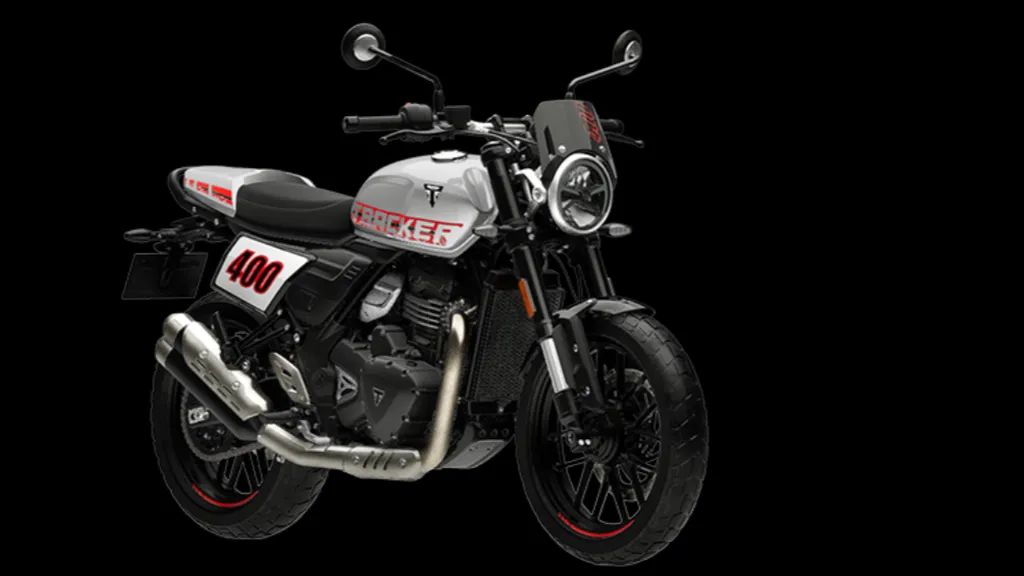
Triumph Motorcycles has taken a bold step into the premium mid-capacity roadster segment with the Triumph Tracker 400. Designed to blend flat-track styling with modern performance, the Tracker 400 stands out as a unique proposition against rivals in the 300–400cc category. With its aggressive stance, rider-focused ergonomics, and well-balanced engine, this bike is carving a niche for riders seeking both style and substance in a stylish package.
Design & Styling: Flat-Track Meets Modern Roadster
The Triumph Tracker 400 takes inspiration from classic flat-track racers but adapts it for everyday road use. Its design essence emphasizes a minimalist yet muscular profile that instantly grabs attention.
Key Design Elements
- Flat, wide handlebars that give a commanding road presence and enhance control
- Slim fuel tank with sculpted knee recesses for improved rider grip
- Minimal bodywork with number board styling for a retro-racing vibe
- Twin upswept exhausts that add both style and confidence-inspiring sound
- LED headlamp with modern signature lighting
The overall design cues evoke a sense of both performance and heritage, making it appealing to riders who want a bike that’s distinctive rather than generic.
Engine & Performance: Punchy, Refined, and Fun
Under the Tracker 400’s hood lies a 398cc, liquid-cooled, single-cylinder engine purpose-tuned for spirited riding. This powertrain offers a blend of smoothness, usability, and excitement.
Powertrain Details
- Engine Type: 398cc, single-cylinder, liquid-cooled
- Maximum Power: Approx. 42 PS
- Peak Torque: Around 37.5 Nm
- Transmission: 6-speed gearbox with slip-and-assist clutch
This setup ensures that the bike feels responsive in the low- and mid-range, essential for city commuting, while still having enough grunt for highway overtaking and spirited rides. The engine’s character leans slightly toward top-end excitement, giving riders a playful experience in the higher rev ranges.
Chassis, Suspension & Handling: Agile and Confident
The Tracker 400’s underlying structure and suspension tuning deliver a ride that’s nimble without compromising stability.
Ride & Dynamics Setup
- Front Suspension: 43mm upside-down forks
- Rear Suspension: Preload-adjustable monoshock
- Braking: Disc brakes front and rear with dual-channel ABS
- Wheels: 17-inch wheels front and rear
- Seat Height: ~805 mm
- Kerb Weight: ~173 kg
This configuration provides a balanced ride quality, agile cornering, and predictable braking performance. The lightweight feel, combined with flat-track ergonomics, makes the Triumph Tracker 400 a bike that’s fun in urban traffic and composed on twisty roads.
Features: Practical Yet Premium
While the Tracker 400 focuses on pure riding experience, it does not skimp on essential modern features. Highlights include:
- Full LED lighting
- Semi-digital instrument cluster
- Ride-by-wire throttle
- Switchable traction control
- Premium switchgear
These features keep the experience modern and practical without overwhelming the rider with unnecessary tech.
Price & Availability Outlook
The Tracker 400 is positioned as a premium 400cc roadster, which is reflected in its pricing. Based on international market positioning, its approximate price equivalent translates to around ₹6.5–7 lakh if brought directly without localization.
India Launch Perspective
As of now, there is no official confirmation of an India launch. Market factors such as pricing, demand, and rider preferences in the mid-capacity segment will influence whether Triumph chooses to introduce the Tracker 400 here. A locally adapted or slightly lower-capacity version could improve its feasibility for the Indian market.
Competitor Comparison: Where Tracker 400 Fits
In the mid-capacity premium bike space, the Tracker 400 has a unique position. Here’s how it compares with key rivals:
Triumph Tracker 400 vs Triumph Speed 400
- Performance: Tracker 400 has a slightly more aggressive engine tune compared to Speed 400, offering stronger top-end performance.
- Ergonomics: Tracker 400’s flat-track stance feels sportier; Speed 400 is more commuter-oriented.
- Design: Tracker emphasizes flat-track retro styling; Speed 400 leans toward classic roadster looks.
Against Other Segment Rivals
- KTM 390 Duke: KTM offers sharper performance and advanced electronics but is more aggressive and less retro.
- Royal Enfield Hunter 350: Lower displacement and power; classic styling appeals to a different kind of rider.
- Other Retro Roadsters: Tracker’s performance edge gives it an advantage over most 300-350cc retro bikes but at a premium price.
Overall, the Tracker 400 aims at riders who want distinctive urban style blended with confident performance, rather than a pure commuter or pure sportbike.
Who Should Buy the Triumph Tracker 400?
The Triumph Tracker 400 is ideal for:
- Riders who want style and character over just practicality
- Enthusiasts looking for a unique roadster in the mid-capacity space
- Those who value balanced performance and handling
- Riders who enjoy weekend rides as much as daily commutes
If you want a bike that stands out from the crowd and offers a rewarding ride experience, the Tracker 400 is worth serious consideration.
Conclusion
The Triumph Tracker 400 brings fresh energy to the 400cc segment by combining flat-track heritage, modern engineering, and confident performance. While its India launch remains uncertain, its position as a lifestyle-oriented roadster makes it a compelling choice for riders who want more than a commuter bike — they want character, fun, and exclusivity.