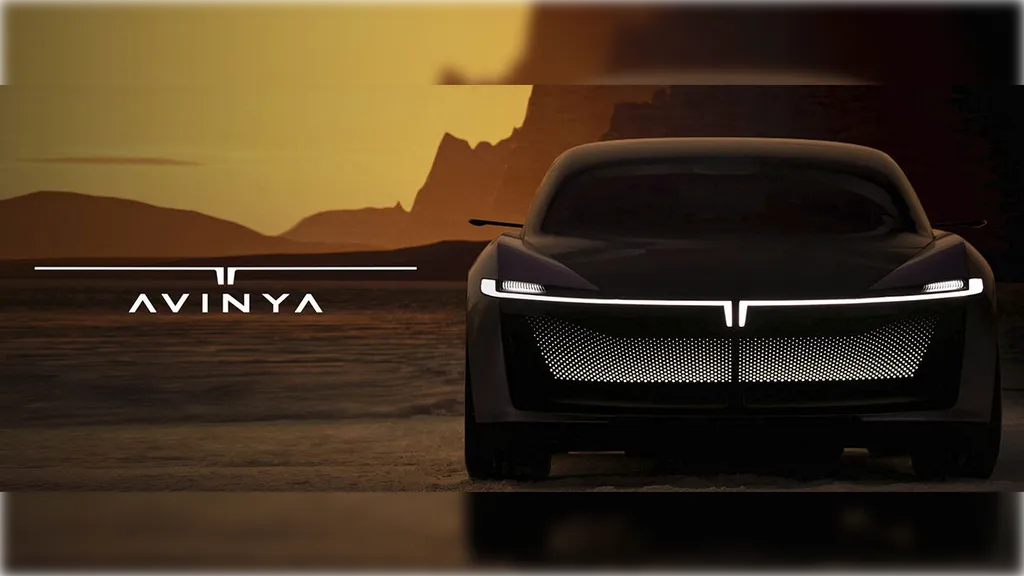
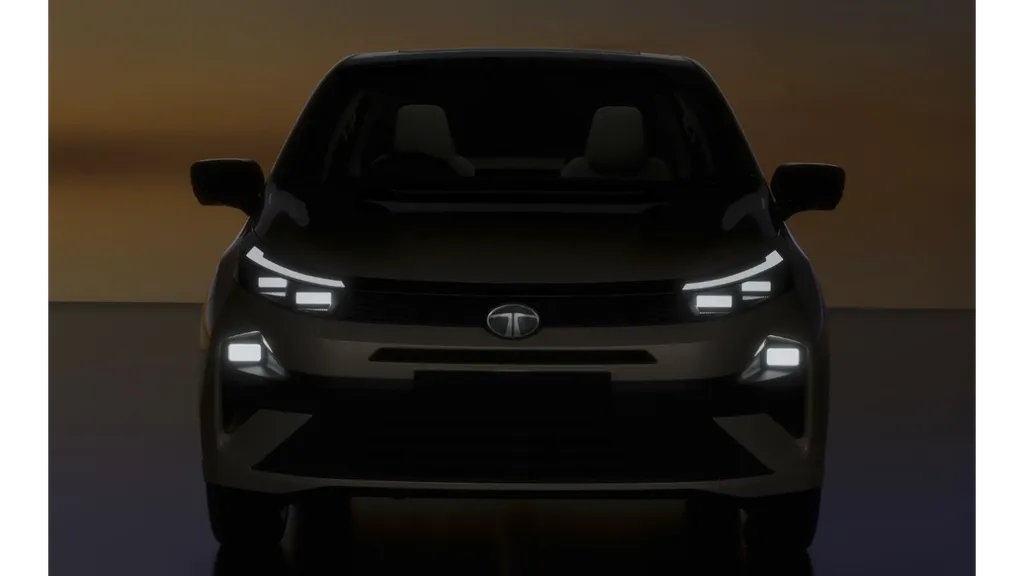
Tata Motors is gearing up to expand its electric vehicle portfolio with a premium EV codenamed “Avinya”, slated to debut in 2026. Positioned above the current Tata EV lineup, the Avinya represents Tata’s next step into the up-market electric segment, targeting buyers who want a blend of technology, comfort, performance and aspirational design.
The upcoming launch signals Tata’s ambition to compete not only with domestic EV players but also with international premium electric brands that are steadily entering India.
What Is Tata Avinya?
The Tata Avinya is expected to be Tata Motors’ first purpose-built premium electric vehicle, designed from the ground up as an EV rather than being adapted from an internal combustion platform. Positioned above popular models like the Tata Nexon EV and Tata Curvv EV concept, the Avinya aims to deliver a next-generation driving experience with advanced technology, refined interiors, and dynamic performance.
The name “Avinya” reflects innovation and forward-looking intent, aligning with Tata’s EV vision for the coming decade.
Design Expectations
While Tata Motors has not revealed full details yet, teasers and patents point toward a bold and futuristic design direction for Avinya:
Exterior Highlights (Expected)
- Aerodynamic silhouette with coupe-like roofline for better efficiency
- Sleek LED headlamps and DRLs inspired by Tata’s Impact EV design language
- Signature LED light bar spanning the width of the front fascia
- Flush-fit door handles for a clean side profile
- Sculpted body panels with minimalistic yet muscular stance
- Larger alloy wheels with aerodynamic elements
The overall design will likely aim for a premium and sophisticated presence that can rival well-established global EV designs.
Interior & Tech: Premium Meets Intelligent
The Avinya’s interior is expected to be a leap forward from Tata’s current EV cabins, with a sharper focus on digital experience, comfort, and seamless connectivity.
Expected Cabin Features
- Dual or triple digital displays (instrument cluster + central touchscreen + passenger display)
- Minimalist dashboard with haptic controls
- Premium upholstery and ambient lighting
- Panoramic sunroof for an airy cabin feel
- Advanced climate control with air purification
- Over-air compressor or wellness features depending on variant
The interior will likely be designed for both driver engagement and rear-seat comfort, appealing to premium buyers.
Electric Powertrain & Performance
The Avinya is expected to feature Tata’s latest electric powertrain technology, delivering a balance of performance and efficiency tailored for urban and highway driving.
Expected Power & Battery
- Battery Pack: Large-capacity lithium-ion unit
- Range Expectation: 450–550 km on a single charge (AER)
- Motor Configuration: Single or dual motor options
- Performance: Strong mid-range torque and crisp acceleration typical of modern EVs
Tata may offer multiple variants with different battery capacities and motor options to cater to diverse buyer needs.
Charging & Range
Charging convenience will be a key factor in Avinya’s appeal:
- DC Fast Charging Support: 10–80% in 30–40 minutes (target)
- AC Charging: Standard home wall charger support
- Regenerative Braking: Multiple modes for efficiency optimization
Battery management software and smart range prediction tech may also be part of the system, enhancing real-world usability.
Expected Price Range
The Tata Avinya is expected to be positioned above the Tata Curvv EV and Nexon EV in terms of pricing and features, but still competitive in the premium EV bracket.
- Expected Price: ₹25 lakh – ₹35 lakh (ex-showroom)
- The final price will depend on battery size, motor configuration, and feature set. A dual-motor AWD variant (if offered) could command a premium toward the higher end of the spectrum.
Competitor Landscape
India’s premium electric vehicle segment is expanding rapidly, and the upcoming Tata Avinya will enter an increasingly competitive space. Key rivals are expected from both established global manufacturers and emerging EV-focused brands.
Hyundai’s Ioniq 5 and Ioniq 6 currently set benchmarks in the premium EV category with their dedicated electric platforms, long driving range, fast-charging capability and strong brand credibility. These models appeal to buyers looking for proven global EV technology and futuristic design.
MG’s Comet EV, if introduced in a more upmarket and larger format, could emerge as a value-focused alternative. MG’s strength lies in aggressive pricing strategies and tech-heavy offerings, which could attract urban premium EV buyers.
Future Kia EV models are also expected to play a significant role, leveraging Hyundai-Kia’s global EV platforms, refined powertrains and feature-rich cabins. Kia’s growing brand presence in India could make its premium EVs strong contenders.
Additionally, upcoming international EV brands are likely to enter the Indian market, bringing advanced battery technology, strong performance figures and premium brand image, further intensifying competition in this segment.
Why Avinya Matters for Tata
The Tata Avinya represents more than just another electric car — it signifies Tata Motors’ intent to:
- Expand beyond entry-level EVs into the premium segment
- Compete with global EV players entering India
- Showcase advanced EV design and technology
- Leverage India’s growing EV adoption wave
- Build a premium EV identity for the brand
With India projected to see significant EV growth in the coming decade, the Avinya could play a pivotal role in shaping Tata’s EV strategy.
Expected Launch Timeline
- Teasers & Previews: 2025
- Official Reveal: 2026
- Market Launch: Late 2026 (tentative)
Tata Motors may reveal more details in staged teasers leading up to the full reveal, building anticipation.
Conclusion
The first Tata Avinya premium EV is shaping up to be a major milestone for Tata Motors, representing its push into the premium electric vehicle space. With futuristic design cues, a technologically sophisticated interior, and competitive range expectations, the Avinya could set a new benchmark for Indian EVs in the mid-to-premium segment.
As the official 2026 launch draws closer, anticipation is building for one of the most exciting EV debuts in the Indian automotive landscape.